Giving Dogs Space
A little bit of distance goes a long way for dogs – let’s help them out.

One of the many wonderful things about dogs is how they facilitate social connection. We say hi when we pass someone else walking their dog. People stop to ask if they can pet our dog. And puppies in particular are like a magnet that people just can’t resist. As someone who tends to be a little more solitary, my dogs have helped me make new friends, get out more in the world, and build community (here on Substack too!). I value these moments of connection and wouldn’t trade them for anything.
But we are so used to our dogs being a social conduit that it can be hard for us to recognize the moments when other dogs and handlers need space. As a dog lover who cares deeply about these creatures, one of the most empathetic and compassionate things you can do is to recognize these moments and act accordingly.
When you see someone trying to help their dog to disengage, stay calm, or move away, give the dog and the handler space. Consider walking around them or crossing the street. Remember that it makes a huge difference in their ability to be successful and to regulate their emotions. It’s become normal in our culture (at least in the US) to just let dogs approach each other. But some handlers and dogs are trying really hard to build good habits, work through reactivity, train the right choices, or even just keep their dog and your dog safe. If you want to interact, just ask first (at a distance that the dogs can handle).
If you decide to engage, watch both dogs’ body language closely. Do they actually want the interaction? If they move away or don’t show obvious interest, then they’re probably trying their best to say a polite no, thank you. Watch for the lip lick that can indicate discomfort. Is their tail low and tucked in with worry, more neutral, or up and active indicating higher arousal? Are their ears pulled back? Is their body loose and social or more stiff and confrontational? These subtleties sometimes indicate the dogs trying really hard to say “no, thanks, not right now”.
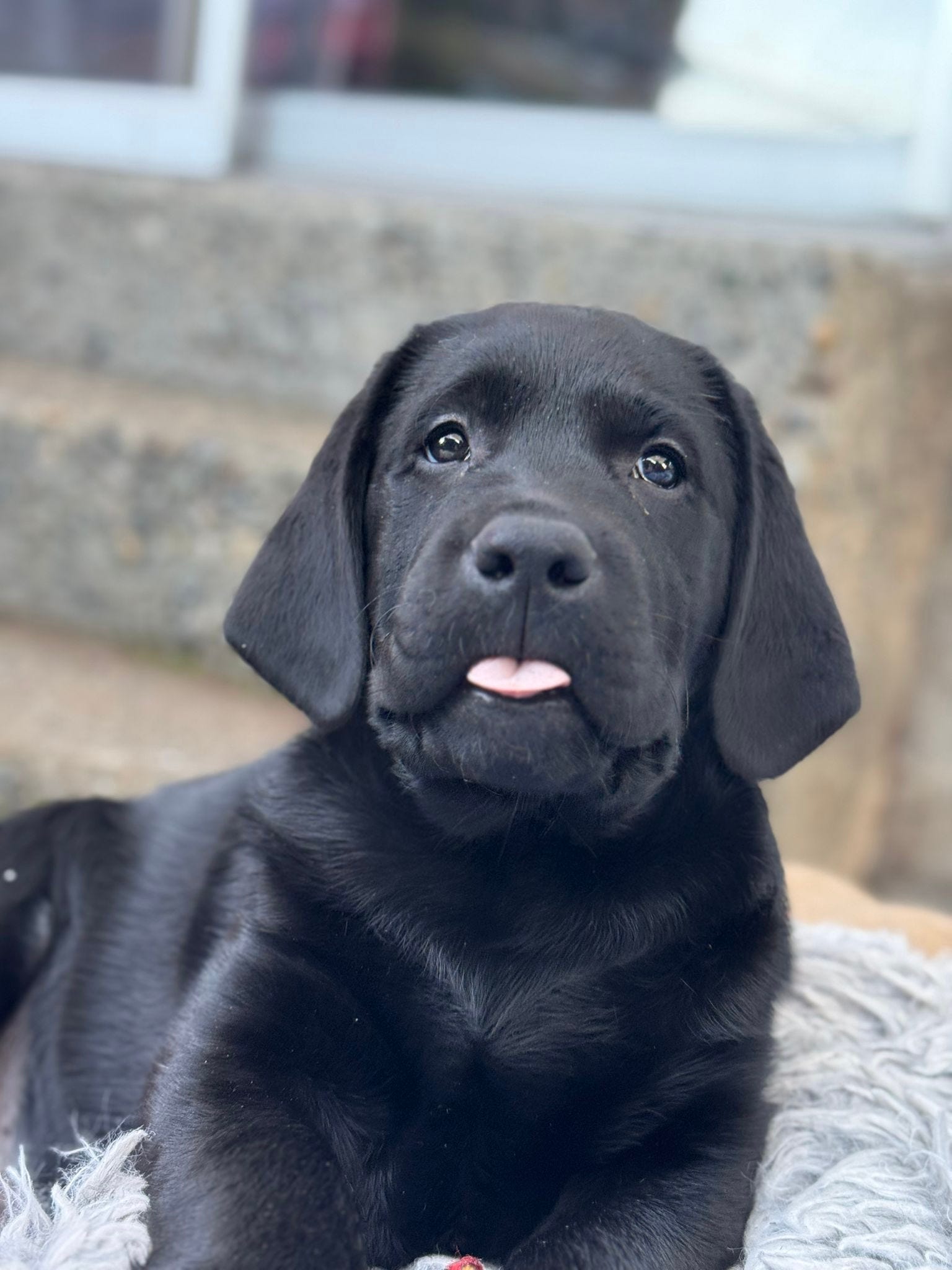
If we don’t listen to these polite communications, we force them to find a louder way of telling us that usually involves growling, lunging, or teeth. Remember that some people don’t even allow on-leash greetings because of the barrier frustration that it can create, and we should respect that. As someone who works with dogs with reactivity (who is also raising a highly social young Labrador), I can’t tell you how much I appreciate it when someone asks first and gives us the ability to opt out of an interaction.
If you’d like any tips on how to navigate any of this, feel free to message me. There are some simple training strategies that can help dogs learn to disengage and move on more easily. And some simple management techniques and scripts that can help us in those moments when it can be very hard to say no, thank you.
(Check out my posts or subscribe for free to read more about dogs and dogs with big feelings.
)
I’m glad you wrote this. I would like to post it on all the dog poop bins for people to see lol. It’s a hard thing! River is one of those dogs who needs space for a different reason depending on the day, and sometimes it’s me that needs space because the sound of passing cars over stresses me out. I think people tend to tense up when the trigger is approaching and don’t say anything at all which creates more stress- it’s important to communicate with each other!
I purchased a red vest for my (now deceased) highly reactive dog. It said, “In training, do not pet.” People respected it and gave us space.
My current dog is such a good training guy for nervous dogs that when I see someone training a pup to not react to dogs walking by, I offer to let them train on my dog.