Hemangiosarcoma in Dogs
Our experience, in case it might be helpful to you.

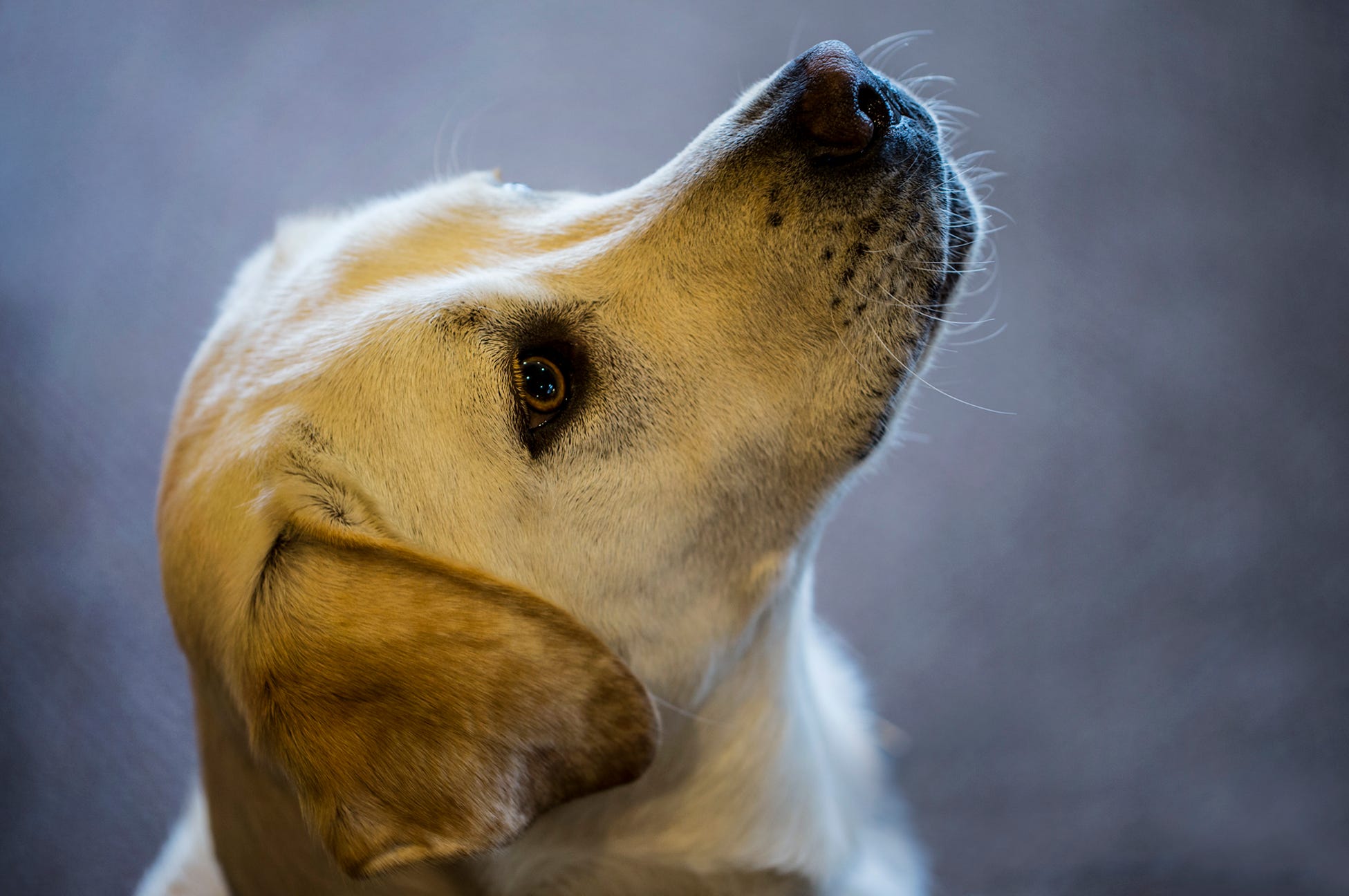
Hemangiosarcoma is more common in Labradors, Retrievers, and German Shepherds, but it can appear in any breed. It’s a cancer of the blood vessels and it cannot be cured in dogs. It can be treated with chemotherapy, diet, and supplements to enhance quality of life and prolong life expectancy. It is often detected first in the heart and the spleen.
The spleen can be removed to save a dog with a splenic mass (tumor) that is bleeding. Of dogs who have this procedure, roughly 2/3 are malignant and have hemangiosarcoma. If the tumor is malignant, doctors give a life expectancy of one to three months without treatment. I was told that chemotherapy can roughly double the life expectancy. Other sources show that dogs who get treatment live 5-7 months after their surgery on average. Some dogs will live longer, even up to a year with treatment, but it is a much smaller percentage.
Chemotherapy is different for dogs than it is for humans. The doctor’s goal with dogs is not to eradicate the cancer, but to slow the spread, enhance quality of life, and increase life expectancy. The side effects are more mild than with humans because the treatment is not as aggressive. And the doctor’s goal is for the dog to not actually feel sick. Some dogs do have side effects, though. And different options of chemotherapy are available.
Charlie’s Story:
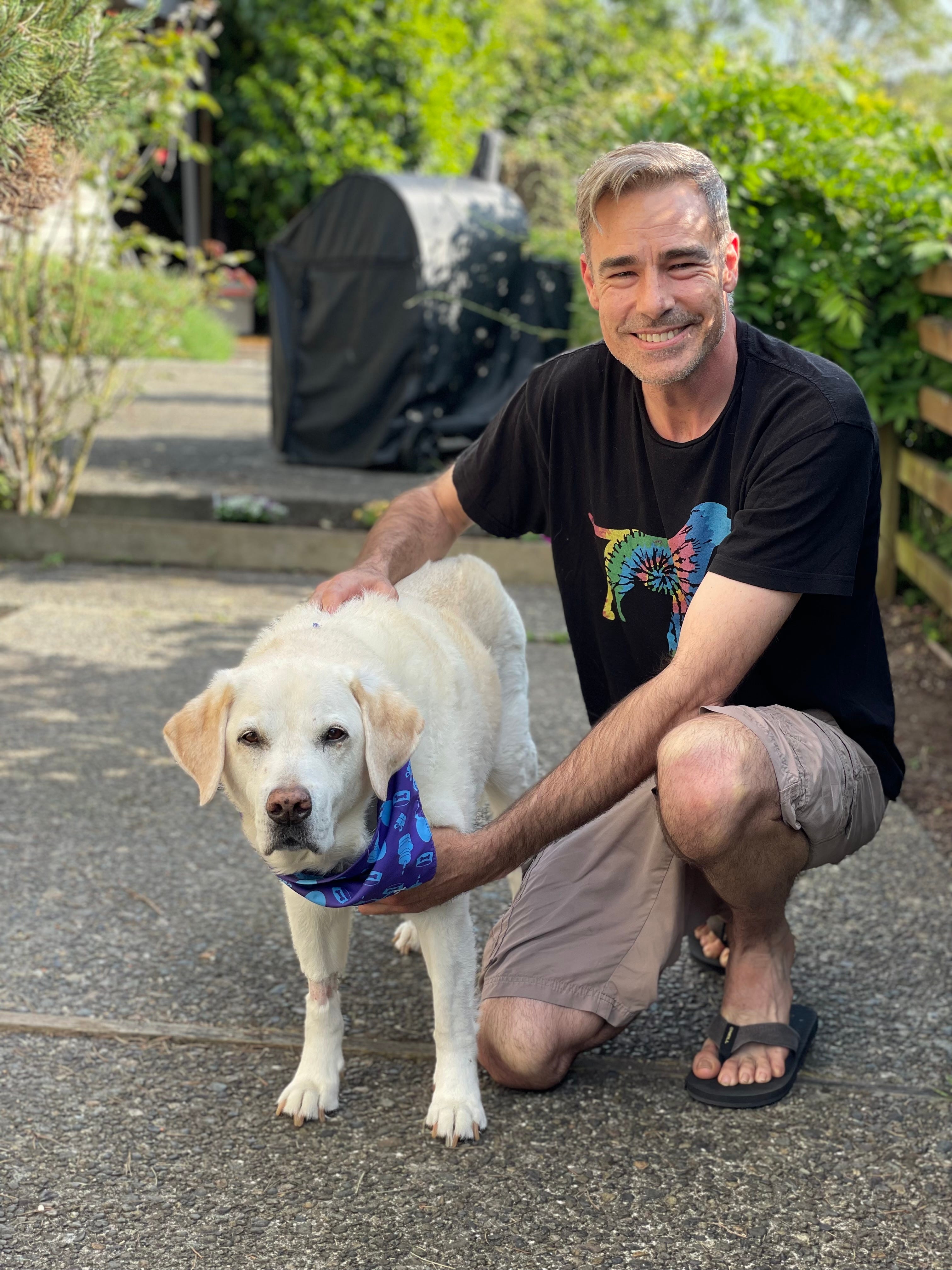
Charlie went to the ER because he was noticeably in pain and discomfort. They discovered that he had a tumor on his spleen, and he was slowly bleeding out. In an emergency surgery, they removed his spleen to save him. Had we not chosen to have the surgery, the doctor said he would have passed within a few days. The procedure is called a splenectomy (dogs can live on without a spleen). It was a large financial responsibility, and I was lucky to be able to do it. With extra hospital time and everything, it was close to $14k. They biopsied his spleen and confirmed that he had hemangiosarcoma. The doctors said he had a life expectancy of one to three months, and that chemotherapy could double that timeline.
After meeting with the oncologist, we were given three options for treatment. The most aggressive and most effective one was not a good match because it could affect the heart. Charlie had experienced a few episodes of syncope (fainting/collapsing), so it felt too risky. There was another option similar to the first, but it didn’t have proven efficacy with hemangiosarcoma. Either would have involved injections and lots of visits to the hospital for monitoring.
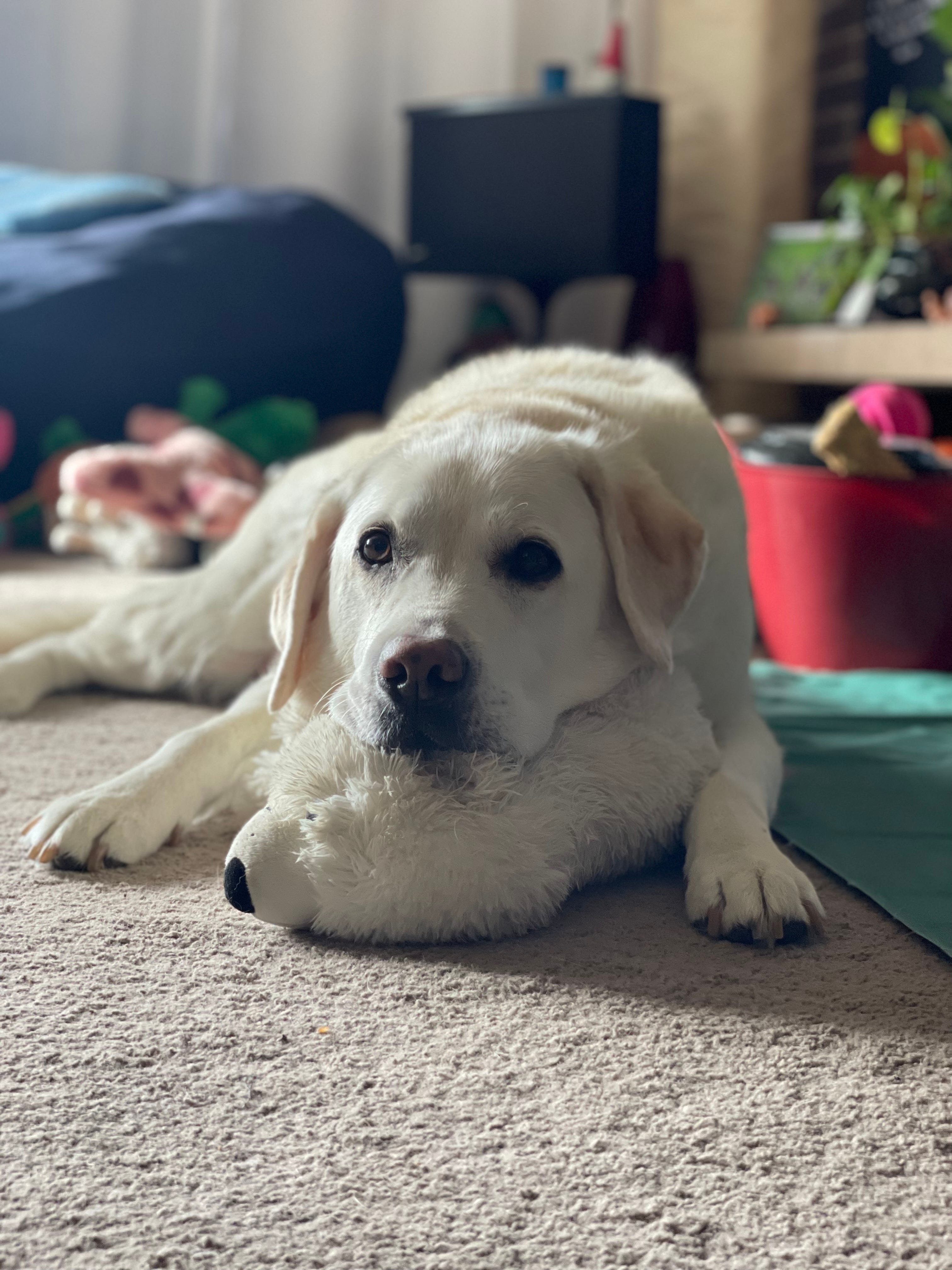
We ended up doing a chemotherapy treatment that was a pill that he took at home every other day, called chlorambicil. It had virtually no side effects and it was a more financially realistic option after spending a small fortune on the splenectomy and recovery. It was more of a maintenance therapy, often used after more aggressive therapies. Sometimes I wish we had tried the more aggressive version because it might have given us more time, even if he did have some side effects. But it meant a lot to not have to go for testing and injections, especially since Charlie had been collapsing when overstimulated. And he got to feel good the whole time. We had really good quality time. No side effects at all. He made it almost six months after his splenectomy. And he made it four days past his twelfth birthday. He passed on the exact same date that my sister Katie had tragically passed two years before, likely due to complications from Covid.
In addition to his regular vet and oncologist, Charlie went to Ancient Arts, a holistic veterinarian in Seattle. They recommended a bunch of great supplements to strengthen his system, including a Chinese herb compound called Yunnan Baiyao, that helps stop micro bleeding in tumors. He also had regular acupuncture sessions. We liked them, and I think they helped with his mobility and circulation. He was great about it and would often fall asleep during the sessions. I liked adding the holistic approach to help with his chemotherapy. It felt like it made him stronger and healthier while his body was fighting. One of my favorite things was turkey tail mushroom. It slows tumor growth and just strengthens the whole immune system. We added it to every meal, and it helped him a lot.
I worked really hard on enhancing diet as well. We tried several different foods, but we ended up using a frozen, cooked meal that had simple, healthy ingredients. The changes he went through from eating great food were pretty amazing. He felt better than he had felt in years, and I think a lot of it was because of diet. We learned to avoid certain foods too. It turns out that cancer cells love fat (and excess carbohydrates). They use it to grow and spread. So we eliminated most carbs and anything fatty. I gave him several blueberries with each meal because they have cancer-fighting properties. And we used a lot of salmon for treats because the amino acids in salmon are good for supporting the immune system.
Getting to care for Charlie during those last five months or so was one of the greatest privileges I’ve ever had, and I wouldn’t trade it for anything. It felt really good to be able to be there for him and help him feel at his best. I spent so much that I stopped keeping track at a certain point. He was getting new toys every day towards the end (they made his day!). It felt really good to take care of my boy when he needed it most. And partly, it just felt good to put all of this effort into helping him. His collapses started to become more frequent, and by the end, he was having trouble getting up and moving without collapsing. We had a doctor from a company called Lap of Love come to help him pass peacefully at home. I was so grateful to be able to do it at home, so that he could be in the place he loved most, with the people he loved most.
This was our experience, and I want to help other people and dogs who may go through the same thing. I am not a vet, so please verify what is best for your dog with a professional.
Other helpful details:
Yunnan Baiyou is a Chinese herbal supplement that slows bleeding. It is totally benign and has been proven to be effective (it’s been used by the military for many years). Most oncologists will recommend it.
There are a bunch of specific foods that have antioxidant and cancer supportive properties. The ones that I know of are:
Cruciferous veggies: broccoli, cauliflower, brussels sprouts,
Berries: blueberries, strawberries, raspberries
Omega 3’s: wild salmon, sardines, mackerel, flax seed oil
Beta Carotene rich foods: sweet potato, carrots, pumpkin
Leafy greens: Kale, spinach, Chard
Lean proteins: chicken, turkey, eggs, lean beef
If you cook homemade meals for your dog, it’s important to make sure they are nutritionally balanced. Look this up.
Hi John. Great article. So sorry to hear about Charlie. I will be posting within the next couple of weeks on hemangiosarcoma (a new detection strategy).
I lost a dog to this disease. In the end, his spleen ruptured and he had to be euthanized. I loved that dog to bits. Every dog I have to let go leaves me broken.